
Labour is one of the most intense and complex experiences in a woman’s life. It is characterized not only by regular uterine contractions and the progressive dilation of the cervix, but also by profound neurophysiological, emotional, and psychological involvement. Alongside medical and pharmacological interventions, non-pharmacological techniques based on breathing control, muscle relaxation, active movement, and the adoption of favourable labour positions are playing an increasingly central role in facilitating physiological labour, reducing pain perception, and improving the maternal birth experience.
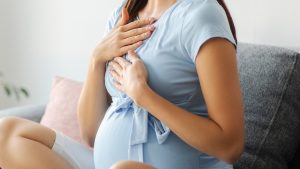
Breathing Techniques: Neurophysiological Regulation and Endogenous Analgesia
Breathing techniques represent one of the oldest and most universal tools for modulating labour pain. Neurophysiological studies have shown that deep, rhythmic breathing stimulates the parasympathetic nervous system, promoting the release of neurotransmitters such as serotonin and endorphins, which act as natural endogenous analgesics. In addition, controlled breathing improves oxygen delivery to both the uterus and the fetus, making uterine contractions more tolerable.
A significant example is the Lamaze Method, developed in the 1950s by the French physician Fernand Lamaze. This approach is based on the concept that women, through controlled breathing techniques, muscle relaxation, and body awareness, can actively manage labour pain by reducing anxiety and muscular tension. The method encourages freedom of movement, comfortable labour positions, and continuous support during childbirth, promoting a more natural and positive birth experience. Today, it remains one of the most widely used methods worldwide for preparing women for physiological childbirth.
Example of the Lamaze Breathing Technique
Comfortable position: adopt a natural and relaxed position, whether standing, sitting, or walking slowly. Leaning against a stable surface may also improve comfort.
Rhythmic, controlled breathing: at the beginning of each contraction, inhale slowly and deeply through the nose while mentally counting to three, allowing the diaphragm to descend and the abdomen to rise gently.
Slow exhalation: exhale through slightly parted lips, producing a soft, steady sound (such as a gentle “hee” or “hoo”), while mentally counting to four or five, gradually releasing accumulated muscular tension.
Repeat the breathing cycle: continue alternating inhalation and exhalation throughout the entire contraction while maintaining awareness of both the breathing rhythm and the relaxation of the muscles involved.
Resting breathing: during the interval between contractions, return to a natural, deep breathing pattern to promote recovery and prepare for the next contraction.
This technique helps distract attention from pain, increases the production of natural endorphins, and promotes muscular relaxation, contributing to a calmer and more manageable labour.
Muscle Relaxation: From Early Stress Relief to Modern Obstetric Practice
Progressive muscle relaxation, developed during the twentieth century by Edmund Jacobson, is widely used in obstetric care to reduce muscular tension and pelvic rigidity, both of which may interfere with the normal progression of labour. Its effectiveness has been confirmed by studies demonstrating reductions in muscle tone, heart rate, and cortisol, the body’s primary stress hormone.
Women are guided to recognize and progressively release the major muscle groups involved in labour, creating a body that is more receptive to fetal descent. When combined with breathing techniques and guided visualization, relaxation enhances both analgesic and anxiolytic effects.
Movement and Active Positions: The Mechanics and Physiology of Dynamic Labour
Movement during labour has been recognized since antiquity, with historical records describing walking, pelvic rocking, and upright positions as effective means of facilitating childbirth. Modern research confirms the benefits of active movement in reducing labour duration and improving pain perception.
Walking makes use of gravity, promotes optimal fetal positioning, and helps regulate uterine contractions. Adopting different positions—such as kneeling, sitting on a birthing ball, or squatting—modifies pelvic dimensions, enlarging the birth canal and facilitating fetal descent and birth. Furthermore, active movement helps women maintain a sense of control and active participation during labour, both of which are fundamental components of a positive birth experience.
Integrating the Techniques: A Synergistic Approach
The effectiveness of these techniques often lies in their personalized integration throughout labour. Today, midwives are trained to support women through a dynamic combination of controlled breathing, progressive muscle relaxation, movement, and position changes according to the different stages and individual needs of labour. This synergy produces complementary effects by optimizing both the physiological and psychological resources of the mother, thereby promoting a more physiological and less medicalized birth.
Recent neuroscientific studies have demonstrated that the sensory stimulation generated by rhythmic movement and specific labour positions may activate neural pathways involved in pain modulation and stimulation of the endocannabinoid system, opening new perspectives for non-pharmacological labour support. Furthermore, the use of upright and semi-upright positions is supported by modern technologies such as dynamic pelvic computed tomography, which has documented increased pelvic dimensions in these positions compared with the traditional supine position.
Example of Breathing Training for Labour
