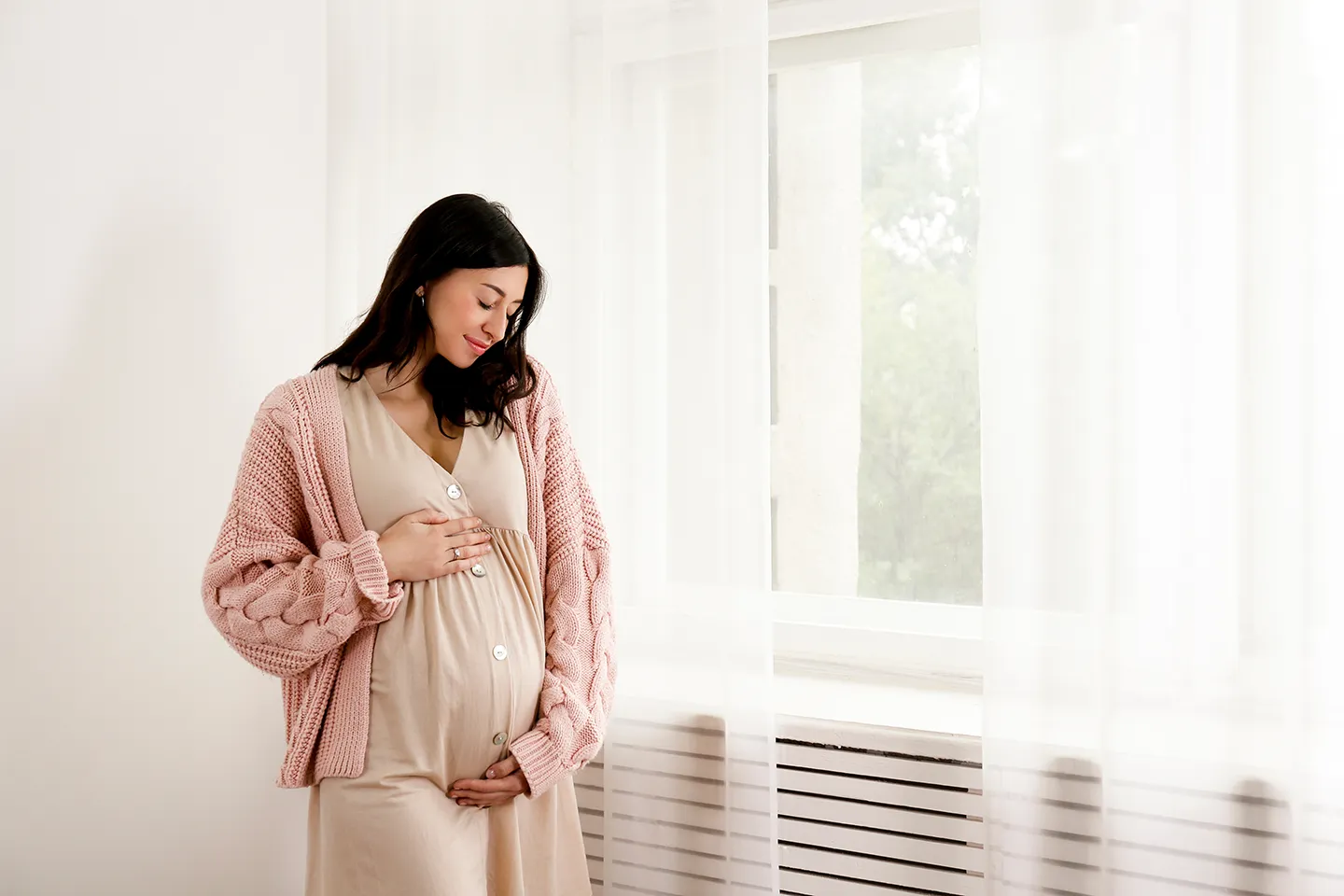

Pregnancy involves significant physiological modifications, including changes in thermoregulation and metabolism systems. During summer months, exposure to high temperatures represents a risk factor for maternal-fetal homeostatic balance, requiring targeted preventive strategies.

Maternal physiology and risks of hyperthermia during pregnancy
Maternal hyperthermia — defined as an increase in core body temperature above 38°C — can cause ineffective thermoregulation, hyperhidrosis, and osmotic dehydration, compromising placental perfusion and increasing the risk of fetal hypoxia and neurobehavioral damage. Epidemiological studies link exposure to high temperatures with an increase in preterm birth, IUGR, and neurological anomalies (ISS, 2023).
From a physiological perspective, the pregnant woman experiences increased basal metabolism and plasma volume, with reduced thermoregulatory capacity due to changes in the autonomic nervous system and slowed sweating response. Overactivation of the renin-angiotensin-aldosterone system may induce electrolyte imbalances. It is therefore essential to ensure adequate fluid and electrolyte intake, with particular attention to sodium, potassium, and magnesium (Edwards, 2019).
From a nutritional point of view, a balanced intake of antioxidant micronutrients and fluids is necessary to counteract oxidative stress and prevent metabolic disorders. Clinical monitoring should include evaluation of blood pressure, body weight, fluid balance, and kidney function, especially in women with comorbidities such as preeclampsia or gestational diabetes (Chen, 2020).
Table 1. Nutritional advice for pregnant women in summer
| Food category | Specific recommendations | Main benefits |
|---|---|---|
| Fresh fruits and vegetables | At least 5 servings per day, rich in vitamins and antioxidants | Counteracts oxidative stress, hydration |
| Lean proteins | Blue fish, chicken, legumes | Supports fetal growth and tissue repair |
| Whole grains | Whole wheat bread, pasta, brown rice | Maintains stable glycemic control |
| Liquids | Natural water, mineral waters rich in electrolytes | Prevents dehydration and electrolyte imbalances |
| Foods to limit | Foods high in refined sugars, caffeine | Avoids dehydration and glycemic fluctuations |
Additional recommendations for pregnant women during summer
During the summer, it is essential for pregnant women to follow a balanced diet rich in fresh fruits and vegetables to ensure adequate intake of vitamins, minerals, and antioxidants, which are key to counteracting heat-induced oxidative stress. Intake of foods rich in folate, iron, and calcium should be maintained, while favoring light and easily digestible meals to avoid typical summer gastrointestinal issues such as nausea and reflux. Choosing low-glycemic-index foods helps stabilize blood glucose levels and prevent glycemic spikes (ISS, 2023).
Hydration is one of the most critical aspects for pregnant women in summer. Increased sweating requires higher consumption of natural water and electrolyte-rich beverages (such as rehydration solutions or balanced mineral waters) to prevent dehydration and electrolyte imbalance. It is advisable to avoid drinks containing caffeine or refined sugars, as they can worsen dehydration. Monitoring urination frequency and color is a simple and immediate way to assess hydration status.
Direct sun exposure should be limited, especially during peak hours, to prevent heatstroke and skin damage. The use of high-protection sunscreens (SPF ≥ 30) formulated for sensitive and pregnant skin is recommended, along with wide-brimmed hats and protective sunglasses. Skin protection is also important to prevent pigmentation changes typical of pregnancy, such as melasma, which can be exacerbated by UV exposure (Gagnon, 2017).
Physical activity remains important for maternal health, but in summer it must be planned to avoid excessive heat exposure. Exercise should be done during the cooler hours, with frequent breaks and in ventilated environments. Rest is essential to recover from heat stress; sleeping in cool, darkened rooms helps preserve sleep quality, reducing the risk of fatigue and irritability (Lankisch, 2018).
In addition to routine checkups, pregnant women should be monitored for signs of dehydration, pregnancy-induced hypertension, and electrolyte imbalances, which are more frequent during hot weather. Regular evaluation of blood pressure, urination, and blood parameters (electrolytes, urea, creatinine) is crucial, especially in high-risk pregnancies. In the presence of symptoms such as dizziness, severe headache, or sudden swelling, it is essential to consult a doctor promptly.
The summer season requires particular attention to the physiological and metabolic needs of pregnant women. A multidimensional approach that includes a balanced diet, consistent hydration, proper sun protection, moderate physical activity, and regular clinical monitoring is essential to ensure an optimal environment for maintaining maternal-fetal homeostasis. Implementing these strategies helps minimize heat-stress-related risks and promotes maternal-fetal health, ensuring a safe and favorable pregnancy journey even in the most challenging environmental conditions.