Chapter 9 – Choking Rescue Maneuvers

Airway obstruction by foreign objects is one of the most frequent household accidents in children, usually affecting kids aged 0 to 4, especially boys. This is likely because children under four still have incomplete dentition, and boys tend to be more active than girls.

Between 6 months and 18 months, children begin eating solid foods and become increasingly eager to explore their environment, often putting objects into their mouths. However, their motor coordination is still immature, their airways are narrow, and they have not fully developed chewing and swallowing abilities.
This is why: Children should never be left alone while eating, Small hard objects that could fit in their mouths should be kept out of reach to prevent ingestion or inhalation.

A sudden cough or cry while a child is eating or playing may indicate ingestion or inhalation of a foreign object. If the child is coughing and crying this means the object is not completely blocking the airway, and there’s still airflow. In this case: Encourage them to keep coughing forcefully, Do not shake or pat their back, as this might push the object deeper, If the child fails to expel the object, call emergency services (112) immediately.

If the child suddenly becomes pale,, Lips turn blue, Unable to cough or cry. This means the airway is completely blocked. In this case: Call 112 immediately, Begin pediatric choking rescue maneuvers (not detailed here to avoid confusion).

Parents-to-be and anyone caring for small children are strongly encouraged to attend a pediatric first aid demonstration.
These are often: Free of charge, Offered by the Italian Red Cross, hospitals, childcare institutions, and baby stores. Watching demonstrations and taking detailed notes is the best way to learn the proper technique and be ready in case of emergency.

Helpful resources and videos are available on the website and YouTube channel of the Italian Red Cross (32).

Subscribe to the newsletter

Be the first to receive the latest news from the Baby Wellness Foundation!

Chapter 8 – When the Child Is Sick

Sooner or later, every child gets sick—especially if there’s an older sibling at home who can bring infections, or when the baby starts daycare. Vaccines protect against the most serious illnesses. For the rest, the body learns to defend itself by gradually building immunity. Here’s an overview of the most common illnesses and symptoms at this age.

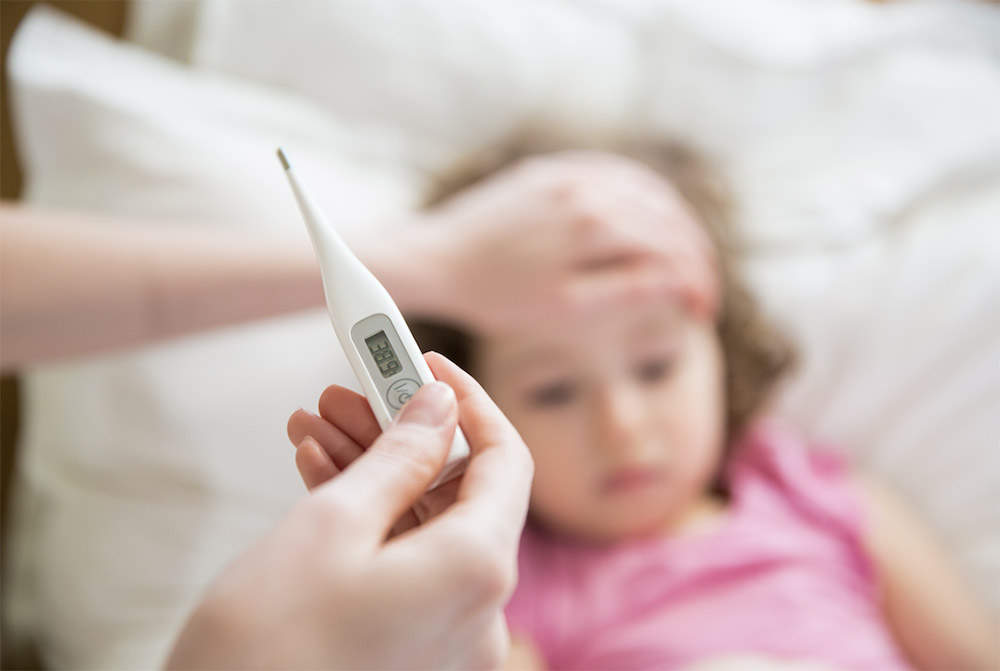
  • Fever: is a common symptom during infections. It is a natural defense mechanism that helps the body fight viruses and bacteria sensitive to heat, and does not always need to be treated. Experts recommend using paracetamol or ibuprofen only when: The fever is high (over 38°C / 100.4°F), It causes general discomfort, muscle pain, or headache. Measure temperature when the child is calm, in a cool environment. The most accurate thermometers are digital ones used on the skin (in the armpit or groin fold). Rectal thermometers are not recommended due to trauma risk. Contactless infrared thermometers are hygienic and fast but less reliable.
    During a fever, keep the child hydrated with breast milk, water, or herbal teas. Cool compresses can be comforting but are not effective in lowering temperature. The child may refuse food—don’t force them, and let them be active if they want, without tiring them. For persistent fever, especially in newborns, always contact the pediatrician.
  • Cough: Is a natural defense used to expel mucus, irritants, microorganisms, or foreign bodies. It is divided into: Productive (wet) cough – with mucus, and Dry cough – without mucus (less common in children). Cough can disrupt sleep or even trigger vomiting. While protective, it may also signal respiratory infections such as: Colds, Flu, Tonsillitis, Bronchitis, Laryngitis. Persistent cough requires medical attention. Parents should note whether it is dry or wet and describe night coughing. Wheezing or stridor is often underreported by parents. Remedies include: Fluids to thin mucus, Humidifying the air, Avoiding irritants (e.g., smoke, dust). If medication is needed: Expectorants and mucolytics help treat wet cough, Cough suppressants are used for dry cough.

  • EaracheVery common in the first 2–3 years. It may result from: External otitis:, infection of the ear canal, often preceded by itching and accompanied by pus. Caused by water retention in swimmers. Treatment: antibiotic, antifungal, or anesthetic ear drops prescribed by a pediatrician. Middle ear infection (otitis media) more common, linked to viral respiratory infections. It often resolves on its own, but bacterial forms require antibiotics. Risk factor: exposure to secondhand smoke.
    Protective factor: pneumococcal vaccine, as Streptococcus pneumoniae is a main cause.

Subscribe to the newsletter

Be the first to receive the latest news from the Baby Wellness Foundation!

  • Cold is a viral upper respiratory infection, very common especially in daycare children (6–10 colds per year). Symptoms include: Nasal congestion, Fever, Fatigue, Cough, Poor appetite or nausea. Antibiotics are useless (cold is viral). It clears up in 5–7 days. Treat symptoms with: Paracetamol or ibuprofen for fever and discomfort, Saline irrigation for nasal congestion, Avoid nasal decongestant sprays in young children. Keep the child home to rest and prevent spread or superinfections. Ensure frequent hydration.

  • Flu is aseasonal viral infection, more severe than a cold. Symptoms: High fever, Sudden onset, Lasts over a week, Weakness, Joint pain, Nasal congestion and cough. New flu strains appear yearly, so previous infection doesn’t protect. Annual flu vaccines are available each fall, protecting against 3–4 likely strains. Recommended for: High-risk children (chronic illnesses), Pregnant women, Adults 65+, Public-facing workers. Pediatricians advise vaccination for all children aged 6 months to 6 years. No antiviral drugs are available. Treatment is symptomatic, and a pediatrician should always be consulted. Keep babies away from sick people and crowded places during flu season.
  • Gastroenteritis: Usually viral, this infection is very common in young children, spread through: Direct contact, Sharing toys or objects mouthed by others, Symptoms: Nausea, Vomiting, Diarrhea, Abdominal pain, Fever. It is usually mild and self-limiting, but can lead to dehydration, especially in babies.
    Rotavirus vaccination is recommended in the first year. Reinfections are possible, but symptoms are milder after the first time.
    Call the pediatrician and follow their advice. Ensure the child drinks: Breast milk (for infants), Water, herbal teas, juices, or oral rehydration solutions (for older babies), Probiotics may help shorten illness duration.
  • Cystitis: An inflammation of the lower urinary tract, often due to normal intestinal bacteria (not contagious). More common in girls, due to the shorter distance between anus and urethra. Symptoms: Burning while urinating, Abdominal pain, Chills, Fever, Blood in urine. Young children may not localize the pain, making diagnosis difficult.
    Diagnosis is made by: Urine test and culture. Treatment: antibiotics based on bacterial identification.

Chapter 7 – Oral Health and Baby Teeth

A baby’s oral health is deeply influenced by that of the mother, both before and after birth. Recent studies have shown that the more cavities a future mother has, the greater the likelihood that her child will develop the same issues (22). Therefore, expectant mothers are advised to book a dental visit as soon as pregnancy is confirmed, or ideally before conception, to schedule regular hygiene check-ups and resolve any existing problems.
During pregnancy, numerous changes occur in the mother’s body, including in the oral cavity (23). Hormonal shifts may weaken and inflame the gums, leading to “pregnancy gingivitis”, with redness, pain, and bleeding. Progesterone encourages bacterial growth in the mouth and weakens immune defenses, increasing the risk of cavities and undermining oral health overall.

For the baby, bacterial colonization of the oral cavity begins in utero and continues through maternal saliva, even via simple gestures like a kiss. However, tooth decay cannot yet occur, as the bacteria responsible require teeth to survive.

Deciduous teeth (commonly called baby teeth) typically start to erupt between 3 and 6 months of age (24). There are 20 teeth total, per arch: 2 central incisors, 2 lateral incisors, 2 canines, 4 molars. The lower central incisors usually appear first, followed by the upper incisors between 5–7 months. The full eruption of central and lateral incisors in both arches generally completes by 12 months. Then follow: First molars: 12–18 months, Canines: 18–24 months, Second molars: 24–30 months.

As with all developmental milestones, teething varies widely. Some children don’t get their first tooth until age one.

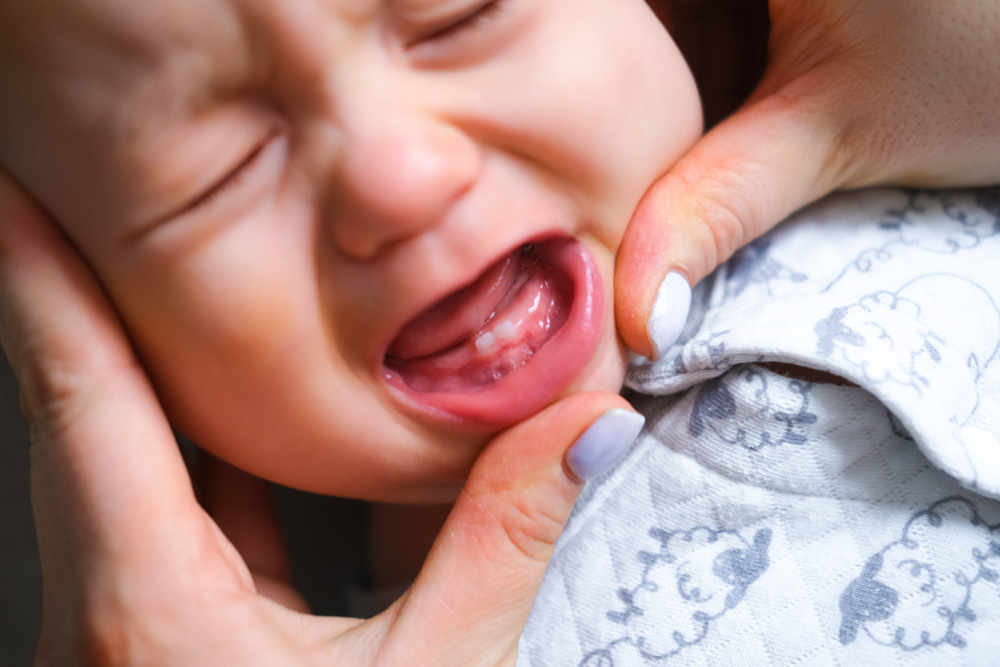
When teeth begin to emerge, babies may experience: Swollen, inflamed gums, Increased drooling, Sleep disturbances. Sometimes accompanied by: Fever, Diarrhea, Loss of appetite. These symptoms are typically mild, though molars may cause more discomfort. To ease symptoms: Use soothing creams on the gums, Massage gently with a cool, damp sterile gauze, Offer teething rings, especially chilled ones for a cooling, numbing effect.

Herbal remedies such as chamomile, catnip, thyme, and calendula may also help. Additionally, parental affection and soothing (songs, books, cuddles) greatly contribute to the child’s well-being.

Oral hygiene should start before teeth appear, by gently wiping gums with warm, damp sterile gauze. Special fun microfiber finger gloves make the process playful. Between 12 and 36 months, the child should begin learning to use a toothbrush, always under parental supervision.

Ideally: Brush after every meal, or at least morning and bedtime. Avoid sugary drinks after brushing at night, as saliva production drops during sleep, making sugar more damaging.

A first dental check-up is recommended within 6 months of the first tooth eruption. The goals: Acclimate the child to the dental environment, Begin preventive care, Even though baby teeth will eventually fall out, they must be treated—they are crucial for future oral health.

Subscribe to the newsletter

Be the first to receive the latest news from the Baby Wellness Foundation!

Canker sores (aphthae): small white/red blisters inside the mouth or under the tongue. They may stem from oral bacteria, tonsil infections, or vitamin deficiencies (iron, B12, folic acid). These can cause discomfort, especially during feedings. The pediatrician may recommend antiseptic solutions and paracetamol for relief.
Thrush: white patches in the mouth that resemble milk residue. This is a fungal infection (Candida albicans), common in early weeks of life, and can make feeding painful.

Mild oral thrush usually resolves in two weeks without medication. However, always consult the pediatrician. Severe cases may lead to systemic infection.
Treatment typically involves: Cleaning the baby’s mouth with bicarbonate-water-soaked gauze, Breast hygiene: wash with acidic soap, dry, and apply antifungal cream after feedings, Disinfect bottles and pacifiers carefully.

Chapter 6 – The Physiological Disorders of the Newborn

Every baby experiences some minor discomfort in the first months—nothing serious or harmful, but these can worry first-time parents. Here’s an overview of the most common ones:

  • Cradle Cap: So named because it affects infants, though it has nothing to do with milk or breastfeeding. It is a form of seborrheic dermatitis that appears in the early weeks of life and resolves spontaneously within 6–8 months. The scalp, and sometimes the forehead, nose bridge, and groin folds, become covered in yellowish, greasy scales from sebaceous secretions. These are rarely bothersome and pose no risk to the baby’s health.
    The exact cause is unclear. One theory links it to maternal estrogen hormones passed to the fetus during pregnancy. There is no proven treatment, and forcibly removing the scales may irritate the skin. The best approach is to soften the area with almond oil and gently remove loose flakes with a soft brush after bathing.
  • Gastroesophageal Reflux: Not a disorder, but a physiological phenomenon where stomach contents flow back into the esophagus during digestion. In infants, the valve between the stomach and esophagus (cardia) is often immature. Combined with a liquid diet and lying down often, this leads to spit-up or regurgitation.
    If the baby spits up frequently but is not distressed, the reflux is harmless and requires no treatment. However, stomach acids can irritate the esophagus, causing mild discomfort.
    Gastroesophageal reflux disease (GERD) is diagnosed if the reflux causes respiratory problems by entering the lungs. This is serious and requires treatment.
    If the baby shows signs of distress but continues to feed and grow well, guidelines suggest consulting a lactation consultant to observe breastfeeding technique and baby’s posture. If needed, a short-term treatment with alginates (safe thickening agents derived from algae) may help. These are given in drops after feedings and not absorbed by the body. They can be stopped periodically to check for spontaneous improvement. Most cases resolve with solid food introduction, usually within the first year.
    Formula-fed infants with GERD may benefit from: Switching formulas; Smaller, more frequent meals; Formulas thickened with rice starch or cornstarch.

Subscribe to the newsletter

Be the first to receive the latest news from the Baby Wellness Foundation!

  • Colic: The most common and challenging issue in the first 3 months. The exact cause is unknown. Characterized by prolonged, inconsolable crying, typically in the late afternoon or evening. The standard definition of infant colic is crying that: Lasts at least 3 hours per day, Occurs 3 days a week, Persists for 3 consecutive weeks. Called “gassy colic” because the baby appears to have tense abdomen, clenched legs, and passes gas, though the air may result from crying rather than cause it. Other suspected causes include: Gastroesophageal reflux, Gut flora imbalance, Sensory overload, Immature nervous system, Circadian rhythm adjustment difficulties. Colic is distressing for parents, who may feel helpless. This stress can be sensed by the baby, worsening the situation. Thankfully, colic has no lasting health impact and usually resolves on its own by 3–5 months.
    Common remedies include: Simethicone, an over-the-counter anti-gas agent, Cimetropium bromide, an antispasmodic (prescription only), Probiotic supplements, which have shown more promise.
    To comfort a colicky baby: Lower sensory stimulation (light/sound), Gently rock or hold the baby, Place the baby belly-down and massage the tummy, Offer the breast for soothing, Sing lullabies or recite rhymes. La Even if these do not resolve the colic, gentle affection from parents always helps reduce the baby’s distress.
  • Positional Plagiocephaly: A mild flattening of the back of the baby’s head (occiput) due to lying on the back. With the wide adoption of the back-sleeping position (recommended to prevent SIDS), positional plagiocephaly has increased significantly, affecting 37% of infants aged 8–12 weeks in Italy.
    This condition is benign, does not impact brain development, and usually resolves within a few months as the baby becomes more mobile and spends less time lying flat. Babies who start moving earlier often regain head shape more quickly.
    Helpful measures: Special pressure-distributing mattresses, Avoid pillows or soft accessories during sleep (due to suffocation risk), Postural exercises advised by pediatric physiotherapy experts (e.g., AIFI specialists), These exercises help speed up skull shape correction.

Chapter 5 – Growth: Charts, Percentiles, and Curves

Length, weight, and head circumference are the three key parameters used to evaluate a child’s health at birth and growth during the first three years of life. To ensure the growth process is proceeding regularly, the pediatrician records these measurements over time on auxological growth charts, which help monitor growth curve trends.

Each chart’s central curve represents the average value of the reference population, while the other curves (called percentiles) show the distance from the average—either lower or higher. For example, a child in the 50th percentile for weight is right on the average, while one in the 70th percentile weighs more than peers, and one in the 30th percentile weighs less.

Percentile interpretation allows the pediatrician not only to assess a child’s position compared to the average, but more importantly, to evaluate growth consistency and regularity over time. What truly matters is the trajectory: healthy growth is reflected by the child’s adherence to their own growth curve, without sudden deviations or prolonged slowdowns.

Growth Spurts: Phases of Physiological Acceleration

During early childhood, growth is not constant or linear but alternates with temporary accelerations, known as growth spurts. These are normal phases in which the child experiences rapid gains in weight, length, and sometimes head circumference, along with behavioral and nutritional changes.

These spurts are governed by a complex hormonal system involving: Growth hormone (GH), Thyroid hormones, Sex hormones, Insulin-like growth factor (IGF-1). These hormones affect bone, muscle, and nervous tissue, enhancing cell division, bone mineralization, and nervous system development.

In addition to physical development, growth spurts play a key role in neurocognitive and motor maturation. The infant brain, which rapidly develops during the early years, uses these periods to gain new skills, refine coordination, and sharpen sensory abilities.

Typical signs of a growth spurt include:

  • Increased appetite and more frequent feeding;
  • Changes in sleep patterns;
  • Greater restlessness or irritability;
  • Rapid acquisition of new motor or cognitive abilities.

These are temporary and physiological, ma possono influenzare l’andamento delle curve di crescita, motivo per cui è fondamentale che il pediatra le riconosca e le distingua da condizioni patologiche.

Though each child has a unique rhythm, the following are typical phases of increased growth frequency:

  • 1st week of life
  • 3–4 weeks
  • 3 months
  • 6 months
  • 9 months
  • 12 months
  • 18 months
  • 2 years

During these times, it is normal to observe rapid weight or height acceleration, followed by periods of stabilization.

Growth Curves and Reference Standards

To properly assess a child’s growth, the pediatrician must use auxological curves appropriate to the child’s age, sex, and population group. In Italy, the official reference curves are those from the World Health Organization (WHO), published in 2006 and applicable from birth to five years of age.

WHO curves represent ideal growth standards, based on how children should grow under optimal conditions. The reference sample includes 8,500 children of various ethnicities, all sharing a common lifestyle: Regular pediatric checkups, Balanced nutrition with exclusive breastfeeding for the first 4–6 months, and Continued breastfeeding combined with appropriate complementary feeding up to 12 months.

Unlike the older 1977 NCHS (National Center for Health Statistics) curves, which were based on formula-fed U.S. children, WHO curves are globally applicable and not tied to a specific geographic area.

A multinational study (including Italy) found that healthy newborns born at the same gestational age show similar measurements, regardless of ethnicity, parental height, or geographic region. Based on this, anthropometric charts by sex and gestational age were developed—especially useful for preterm infants or those with intrauterine growth restriction.

Growth Monitoring Over Time

Preterm or low-birth-weight infants may initially fall into lower percentiles but often catch up by age two. It’s the pediatrician’s role to closely monitor auxological parameters – weight, height, and head circumference – especially in the first two years. Afterwards, focus shifts to weight and height

Besides absolute numbers, it’s crucial to observe longitudinal trends: a consistent curve without abrupt changes is the best sign of healthy, physiological growth.

In the first few months, weight gain is especially rapid. According to WHO standards, a newborn may gain 400g to over 800g per month in the first three months. From three months on, growth slows slightly. On average, birth weight doubles by 4–6 months and triples by the end of the first year.

Capitolo 4 – Vitamine e sali minerali

Il latte della mamma ha tutto quel che serve per soddisfare le esigenze nutrizionali del bambino nei primi mesi di vita, ma in tempi moderni sono state identificate due condizioni di potenziale pericolo per la salute a cui possono andare incontro i più piccoli, legate alla carenza di due vitamine. Integrandole, si previene il rischio.

La prima è la vitamina K, prodotta dai batteri della flora intestinale, che ha un ruolo fondamentale nel meccanismo di coagulazione del sangue. Durante la gravidanza, il nascituro la riceve dall’organismo della mamma seppur in piccole quantità poichè la placenta è scarsamente permeabile alla molecola. Inoltre, per alcune settimane, il neonato produce quantità ridotte di vitamina K perché la sua flora intestinale è ancora immatura.

La sua carenza può determinare piccole emorragie a livello dell’intestino, delle vie urinarie e, ancor peggio, a livello cerebrale: è la cosiddetta malattia emorragica da deficit di vitamina K, che può presentarsi in forma precoce nei primi 2-3 giorni di vita o in forma tardiva tra la seconda e la 12° settimana. È un’eventualità rara, ma che non si può escludere. Per prevenire la forma precoce di malattia emorragica e ridurre in modo significativo il rischio della forma tardiva, ad ogni bambino in Italia viene somministrato, subito dopo la nascita, per via iniettiva 1 mg di vitamina K. Alcuni Paesi scelgono dosaggi e modi di somministrare la vitamina differenti (a volte viene prescritto un integratore orale da assumere durante le prime 14 settimane di vita) (7)

La seconda integrazione raccomandata a tutti i bambini è quella di vitamina D. È presente in piccole quantità in alcuni alimenti, ma viene per lo più prodotta dalla pelle esposta ai raggi solari. I suoi molteplici ruoli nell’organismo sono ancora oggetto di studio (8). Di certo essa concorre allo sviluppo delle difese immunitarie ed è un elemento fondamentale per la fissazione del calcio nelle ossa; un suo grave deficit ostacolerebbe seriamente lo sviluppo scheletrico del bambino.

In Italia i casi di carenza grave di vitamina D sono rari, perché il nostro clima garantisce un’adeguata insolazione per buona parte dell’anno. Tuttavia, la raccomandazione di non esporre troppo i bambini alla luce diretta dei raggi solari e l’abitudine nella società moderna di trascorrere gran parte del tempo al chiuso, ha fatto registrare, negli ultimi anni, un significativo incremento di carenza lieve di vitamina D nel 50% della popolazione pediatrica.

Gli specialisti raccomandano quindi di somministrare a tutti i bambini, dalla nascita fino al compimento del primo anno, una dose quotidiana di 400 UI di vitamina D, sotto forma di gocce per via orale, a meno che il piccolo non assuma già alimenti fortificati con vitamina D, nel qual caso è opportuno confrontarsi con il pediatra per evitare un sovradosaggio nocivo (9).

Subscribe to the newsletter

Be the first to receive the latest news from the Baby Wellness Foundation!

A seconda di particolari necessità, il pediatra potrà prescrivere altri tipi di integratori. I bambini che non vengono allattati al seno, per esempio, possono trarre giovamento da un supplemento di probiotici, per favorire il mantenimento di una ricca flora batterica, e di Dha, acidi grassi necessari per lo sviluppo del sistema nervoso di cui abbonda il latte materno. Ai piccoli allattati al seno, invece, viene prescritta talvolta un’integrazione di ferro.

Infine, a partire dall’eruzione del primo dentino da latte intorno ai 6 mesi, l’Organizzazione Mondiale della Sanità (OMS) raccomanda la fluoroprofilassi, ovvero la supplementazione di fluoro, un minerale che rinforza lo smalto dei denti e previene l’insorgenza di carie nel bambino. Il consiglio dell’OMS è quello di utilizzare un dentifricio al fluoro specifico per l’età del bambino e fino ai 13 anni, per almeno due volte al giorno, impiegandone ogni volta una piccola quantità, delle dimensioni di un pisello (10). Il dentifricio è molto più efficace delle gocce al fluoro che talvolta vengono raccomandate, poiché agisce direttamente sui denti.

Capitolo 3 – Le vaccinazioni

Alongside clean drinking water, vaccination is the most effective preventive tool in human history for preserving our health from infectious diseases. Smallpox, once responsible for devastating epidemics, has been eradicated thanks to universal vaccination, and we are now very close to completely eradicating polio as well. Other serious infections, such as diphtheria and measles, are no longer present or circulate very minimally in our country due to herd immunity in most of the population. However, if this protective barrier weakens, these diseases can reemerge, spread, and cause fatalities. The benefits of vaccination are not abstract or reserved only for public health or vulnerable individuals: for every single person, and every single child, vaccination is more beneficial than not getting vaccinated.

Health Ministry experts have developed a list of mandatory and recommended vaccinations, along with a schedule specifying the ideal windows for each dose. This schedule is regularly updated based on the latest scientific evidence and new technologies. Some Local Health Authorities (ASL) call parents directly, and family pediatricians everywhere inform them of upcoming deadlines.

The first appointment in the vaccination schedule takes place in the third month of life, i.e., when the baby is 2 months old. During this visit, the baby receives three vaccines, two via intramuscular injection and one orally: The hexavalent vaccine, The pneumococcal vaccine and The rotavirus oral vaccine.

Hexavalent vaccine protects against six diseases: Tetanus – a non-contagious, potentially fatal disease contracted through infected wounds. Diphtheria – a contagious bacterial infection that affects the throat and blocks airways. Pertussis (Whooping cough) – dangerous especially for infants, causing severe coughing fits and breathing difficulty. Polio – a virus that may attack the nervous system, causing paralysis. Hepatitis B – can cause serious liver damage, especially dangerous if contracted in infancy. Haemophilus influenzae type b (Hib) – a bacterial infection that can cause life-threatening meningitis. After the first dose at 2 months, booster doses are administered at 4 and 10 months. Additional boosters (for tetanus, diphtheria, pertussis, and polio) are scheduled at 5–6 years and 11–17 years.

Subscribe to the newsletter

Be the first to receive the latest news from the Baby Wellness Foundation!

Pneumococcal vaccine protects against 13 strains of Streptococcus pneumoniae, the bacterium responsible for ear infections, pneumonia, and meningitis. After the first dose at 2 months, two more doses are given at 4 and 10 months.

Rotavirus oral vaccine protects against a highly contagious gastrointestinal infection that most children contract by age 2–3. The first dose is recommended at 2 months, with one or two additional doses (depending on the product) by 6 months. It protects during the most vulnerable phase of infancy when the risk of severe dehydration from diarrhea is highest. Immunity is not long-lasting, but infections occurring after the first year are usually milder.

During the first year of life the meningococcal B vaccine is also given in 4 doses: The first dose at 2.5 months, and the remaining three at 2–3-week intervals from other vaccine sessions. This vaccine is preferably administered separately from hexavalent, pneumococcal, and rotavirus vaccines to avoid stress from three injections in one visit and to reduce the risk of fever above 39°C, which is more frequent with combined administration. The bacterium Neisseria meningitidis serogroup B is a rare but dangerous cause of meningitis and sepsis.

At 12–14 months, the MMRV quadrivalent vaccine is administered, Protects against measles, mumps, rubella, and chickenpox. A second dose is given at 5–6 years. At the same visit, a meningococcal C vaccine can also be administered, providing additional protection against meningitis and sepsis, supplementing the earlier meningococcal B coverage.

Final Pediatric Vaccines: HPV (Human Papillomavirus) Vaccine: Two doses if administered between 9 and 13 years. Three doses if started after age 14. Meningococcal ACWY Vaccine: Reinforces protection against meningococcus C.
Adds protection against three less common serogroups (A, W, Y), which adolescents may encounter when traveling or socializing internationally.

Chapter 2 – Health Check-ups

Once discharged from the birth center, if everything is normal, the baby transitions from the care of the neonatologist to that of the freely chosen pediatrician, also known as the family pediatrician. This is a specialist who works under agreement with the National Health Service and sees young patients in their clinic. Almost all of their services are free of charge, with the exception of some certificates, out-of-hours visits, and tests not covered by the collective agreements between pediatricians and the Regions.

All children residing in our country are entitled to the assistance of a family pediatrician from birth until the age of 14, after which care is transferred to a general practitioner. Between ages 6 and 14, parents can choose to make this transition earlier. In rare cases, due to the need for continuity of care in the presence of chronic illnesses, a child may continue to see a pediatrician until the age of 16.

To register a newborn with the National Health Service and choose a family pediatrician, parents must go to the local health authority (ASL) with the child’s tax code (codice fiscale) and choose a pediatrician from the list available at the ASL office. To speed up the process, it is advisable to evaluate the available options before birth and request assignment as soon as possible after delivery.

From the time of discharge, the family pediatrician becomes the primary point of reference for new parents. They turn to the pediatrician not only in case of health issues with the newborn but also for regular health check-ups.

A key part of the family pediatrician’s job involves health check-ups (also known as “well-child visits”)—a series of approximately ten scheduled appointments from birth to age 14. These appointments monitor the child’s growth, health status, and progress in motor, cognitive, and social development, and help prevent or promptly identify any potential illnesses. The first five appointments, as established by the national agreements, are concentrated in the first year of life, when changes and developmental milestones occur more rapidly: at 1 month, 2–3 months, 4–6 months, 7–9 months, and 10–12 months. Further appointments are scheduled at 15–18 months, 2–3 years, 5–6 years, 8–10 years, and 11–13 years. Some Regions provide an even greater number of check-ups.

At each visit, the pediatrician examines the child from head to toe, checks weight and height, and measures head circumference up to age two. They assess vision, hearing, motor skills, and social interaction. During the early check-ups, the Barlow-Ortolani maneuver is repeated. Many pediatricians also prescribe a screening ECG at 4–5 weeks of life. Each appointment is also an opportunity to talk with the parents, answer their questions, clarify concerns, relieve anxieties, and encourage the adoption of a healthy lifestyle.

Subscribe to the newsletter

Be the first to receive the latest news from the Baby Wellness Foundation!

Chapter 1 – Newborn Check-ups

From the very first moments of the baby’s life, the birth center staff performs a quick assessment of the newborn’s health status: five parameters—heart rate, respiratory rate, muscle tone, reflexes, and skin color—are evaluated to assign a score from 0 to 10, known as the Apgar score. The name is an acronym for Appearance, Pulse, Grimace, Activity, and Respiration — i.e., skin color, heart rate, response to nasal stimulation, muscle tone, and breathing.

A score between 8 and 10 indicates that the transition to life outside the womb is proceeding normally. These are crucial checks that healthcare professionals carry out promptly and carefully so as not to disturb the intimacy of the first moments between mother and baby. This evaluation is repeated at 5 minutes of life, assessing the same parameters.

Next, the newborn is weighed and undergoes a more thorough examination. The neonatologist examines every part of the baby’s body: the shape of the head, nose, mouth, ears, palpates the abdomen, listens more carefully to breathing and heartbeat, and inspects the genitals. Then, they treat the umbilical cord stump and return the baby to the loving care of the parents.

In the following days, before discharge from the facility, the newborn undergoes further checks. At 24 hours of life, the neonatologist measures blood oxygenation with a non-invasive device through the skin. This test helps identify possible congenital heart defects that may have gone undetected during prenatal ultrasounds. A small blood sample is taken to determine the baby’s blood type and detect possible anemia due to iron deficiency, which may require supplementation.

In the first 2–5 days of life, the newborn’s skin may take on a yellowish tint — neonatal jaundice. This is a generally physiological phenomenon caused by a buildup of bilirubin, a waste product from red blood cell metabolism. During fetal life, the mother’s body disposes of this bilirubin. In adults, the liver performs this task, but in newborns, the liver is not yet fully functional, leading to increased bilirubin concentration and the onset of jaundice. The condition usually resolves spontaneously within a week.

An excessive increase in bilirubin levels, however, can cause neurological damage. Therefore, bilirubin levels are measured non-invasively through the skin before discharge. To treat hyperbilirubinemia (excess bilirubin in the blood), the baby is exposed to light from special lamps—harmless to delicate skin—that break down bilirubin. If jaundice is too pronounced, the neonatologist may prescribe a few sessions of phototherapy before discharge.

Another check in the first days is the Barlow-Ortolani maneuver to assess proper hip function.

The hip is a ball-and-socket joint formed by the top of the thigh bone (femur head) rotating freely in a cup-shaped cavity of the pelvic bone. In some newborns, the femur head is displaced from its natural socket. This defect affects about 2–3% of newborns and is usually correctable within a few months with simple interventions. If undiagnosed, this condition—known as congenital hip dysplasia or hip dislocation—can interfere with leg development and cause future walking issues. The Barlow-Ortolani maneuver involves gently bending and spreading the baby’s legs to check for smooth femur head movement without clicks. If an abnormality is found, the neonatologist prescribes a hip ultrasound for further evaluation.

Since hip dysplasia may not be present at birth but develop later, the maneuver is repeated during early pediatric check-ups. Many pediatricians and birth centers recommend a hip ultrasound at 4–6 weeks, regardless of the maneuver’s outcome.

To correct the condition, during the first months, the baby should keep their legs bent and spread like a “frog.” Parents can use special diapers available at medical supply stores or simply double-diaper the baby. Holding the baby often in a baby carrier or wrap can also help—provided the legs are well spread and the thighs supported in the classic “M” position.

Other screening tests required by law in all Italian regions, are also carried out: Red Reflex Test: This checks the clarity of the eye through the pupil to the retina. A beam of light is shone into the baby’s eye, and a red reflection should be visible—like the red-eye effect in photos. A missing, white, uneven, or asymmetric reflex may signal conditions that require immediate diagnosis.

Otoacoustic Emissions Test: This test checks the baby’s hearing and detects early issues that could affect neuro-sensory development and learning. Unlike hearing tests for older children, it does not require the baby’s cooperation, is non-invasive, and is done while the baby sleeps. A small probe placed on the ear emits sounds and records the corresponding vibrations of inner ear structures.

Heel-Prick Test (within 72 hours of birth): A few drops of blood are collected from the heel for rare metabolic disease screening.
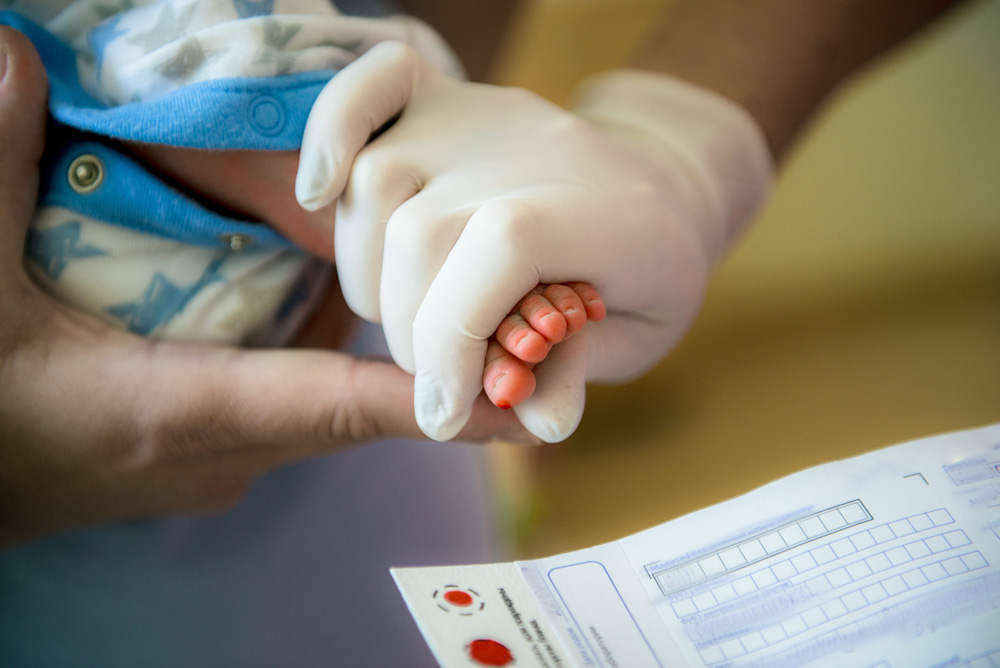
The sample is sent to a specialized lab and analyzed for molecules linked to congenital metabolic disorders. Each of these diseases is rare, but collectively they affect 1 in 1,500–2,000 babies. All are serious, some life-threatening, but if diagnosed early—before symptoms appear—intervention can save lives and prevent irreversible damage or severe disabilities.

Until recently, screening in Italy only included congenital hypothyroidism, cystic fibrosis, and phenylketonuria. Now, the list has expanded to include dozens of metabolic diseases. Not all regions are fully aligned yet, but the situation is improving.

The metabolic screening test has high sensitivity—if negative, one can reasonably rule out the diseases tested. However, false positives or unclear results are relatively common. Parents may be called back after discharge for a repeat test. In most cases, the second test is negative. If not, a specialist takes over for in-depth evaluation.

In addition to the tests and check-ups, newborns routinely receive two other medical treatments at birth: An intramuscular injection of vitamin K, to prevent hemorrhagic disease in newborns, and administration of antibiotic eye drops to protect against conjunctivitis from bacteria encountered during delivery.

Subscribe to the newsletter

Be the first to receive the latest news from the Baby Wellness Foundation!