
Every pregnancy is a unique and unrepeatable experience, just as every child is unique. The bond between mother and child begins to take shape very early, from the very first moments when two hearts start beating within the same body.
The term bonding originated in the United States in 1982 and derives from the English word bond, meaning to bind, join, or connect. It refers to the deep bond of emotional attachment that develops between a parent and their child, a bond that involves emotional, physical, and relational dimensions and accompanies the individual throughout life.
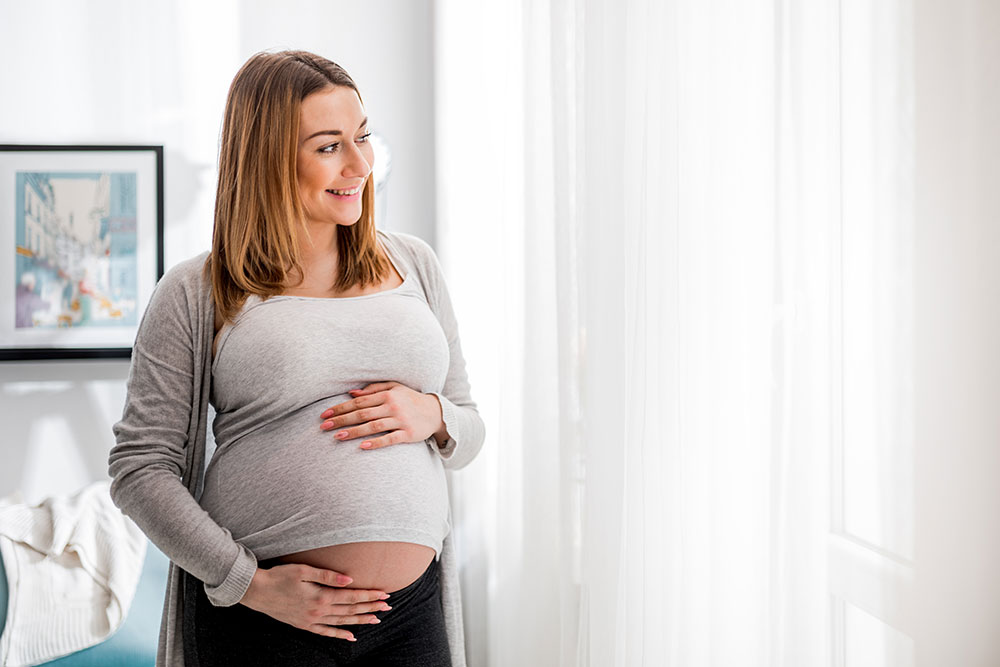
The beginning of the bond before and after birth
Maternal attachment begins already during pregnancy. Through ultrasound examinations, which allow parents to see their child for the first time, and through the perception of fetal movements, the mother starts to build an emotional relationship with her child. At the same time, the child also comes into contact with the parents during intrauterine life, recognizing their voices and emotional rhythms.
The period immediately following birth represents a crucial moment for the intensification of bonding. The first gaze, physical contact, and emotional closeness give rise to a deep relationship that will strengthen over time.
Bonding as a primary need
Bonding can be considered a fundamental human instinct that enables the newborn to meet primary needs related not only to physical survival but also to affection and a sense of security. At the same time, it facilitates the establishment of a positive and conscious relationship between parents and their newborn.
This bond is the result of reciprocal love built through caregiving gestures, daily interactions, and constant attention. It takes shape in the first moments after birth, when the newborn is placed on the mother’s bare chest (skin-to-skin). During this phase, several senses are involved: touch, smell, and sight, allowing the child to begin recognizing the mother.
It is important to emphasize that if these initial moments cannot be experienced immediately, bonding can still develop over time. There are no rigid rules: the bond is built day by day, according to the possibilities and characteristics of each family.
The role of hormones and senses
From a biological perspective, bonding is supported by the presence of oxytocin, a hormone that promotes attachment and is released in significant amounts during and after childbirth.
The first sense involved in the construction of the bond is hearing. The child perceives the mother’s heartbeat and voice already during intrauterine life, as well as the father’s voice and those of close family members. Through the maternal voice, the fetus begins to perceive the mother’s emotional states. Hearing these sounds again after birth has a reassuring effect on the newborn.
Touch is the first sense to develop in the womb and is essential for survival. The skin, the largest organ of the body, allows the newborn to connect with the external world. Activities such as infant massage, through rhythmic and gentle touch, promote the release of well-being hormones and reduce stress-related hormones.
Daily contact and newborn communication
Bonding is strengthened through everyday neonatal care activities, such as bathing, diaper changing, and caregiving moments. Holding the baby in one’s arms, sensing their scent, and feeling skin-to-skin contact is a deeply reassuring experience for both parent and child.
The newborn is not yet able to fully regulate body temperature and therefore benefits from physical contact, which helps maintain an appropriate temperature. In this sense, embracing becomes a true form of care, capable of reducing crying, stress, and tension.
From birth, the child has effective tools to communicate needs and stimulate caregiving responses: initially crying, followed by smiling. These behaviors, known as signaling behaviors, promote parental closeness and strengthen the emotional relationship.
The role of the father in bonding
The father also plays a central role in building the emotional bond. Attachment can begin during pregnancy through contact with the mother’s abdomen, participation in medical visits, and shared viewing of ultrasound images.

The father’s presence at birth and active involvement in daily care—talking to the baby, changing diapers, bathing, supporting sleep, and participating in caregiving moments—contribute significantly to bonding.
From a biological and emotional standpoint, important hormonal changes also occur in fathers: increased oxytocin and prolactin levels and reduced testosterone promote sensitivity, empathy, and caregiving behaviors. This process enables the father to fulfill a fundamental protective, supportive, and educational role.
Bonding is a dynamic and continuous process, supported by biological, emotional, and relational factors. It develops over time through parental presence, care, and daily love and represents an essential foundation for the child’s emotional, relational, and psychological development.
